

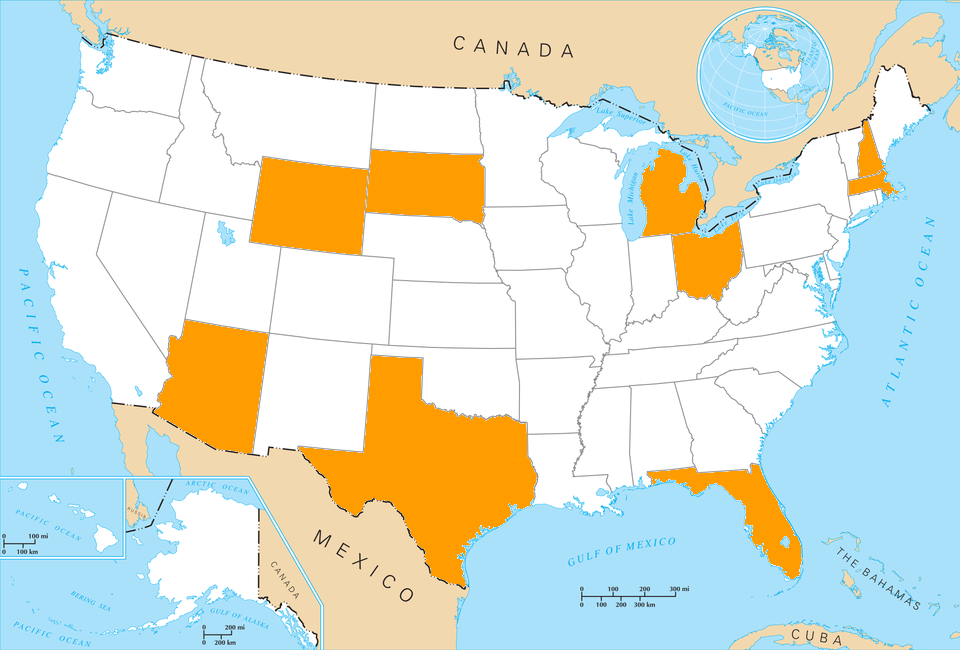
A growing number of U.S. states have approved legislation related to Bitcoin reserves, including Arizona, New Hampshire and Texas. Texas has purchased approximately $5 million worth of Bitcoin via an ETF as an initial investment. Other states like Massachusetts, Ohio, South Dakota and Wyoming have advanced bills related to strategic Bitcoin reserves. Florida may now join the list.
Florida’s pending proposal, House Bill 1039, would establish a strategic reserve by authorising the state’s Chief Financial Officer (CFO) to invest in certain large-cap cryptocurrencies with an average market cap of over $500 billion over the last 24 months. Bitcoin is the only cryptocurrency to meet that criteria.
Why is Florida taking this step - and what has led other states and countries to follow suit in introducing a large-cap cryptocurrency reserve?

Governments and central banks, such as the Federal Reserve (Fed) in the United States or the Bank of England (BoE) in the United Kingdom, have large volumes and holdings of assets, such as foreign currencies, gold, and domestic cash balances, to manage liquidity and support monetary policy, especially during times of instability.
A strategic reserve is a government stockpile of specific assets, such as crude oil, gold, or, in more recent times, Bitcoin. They’re used to protect against economic shocks, supply disruptions, or inflation, acting as a national emergency fund or buffer. For example, the U.S. Strategic Petroleum Reserve (SPR) stores oil to mitigate supply disruptions such as natural disasters and wars, providing the United States with energy security.
The benefit of traditional strategic reserves is diversification by spreading holdings beyond cash or bonds to commodities, energy and, in some cases, food to stabilise prices and ensure security. Additionally, assets such as gold and other commodities are often used as inflation hedges when fiat currencies weaken or the money supply increases.
As inflation concerns and fears of currency debasement persist, policymakers are drawn to Bitcoin’s increasing adoption as a store-of-value, seeing it as a potential powerful hedge against economic instability and fiat devaluation.
Bitcoin’s appeal comes from its unique features and characteristics. Due to its fixed, never-changing supply cap of 21 million coins, it eliminates the possibility of debasement, giving it a scarcity characteristic similar to gold. However, gold’s supply is constrained by mining output, and nobody knows its supply cap. Bitcoin’s fixed supply provides greater certainty and gives confidence to investors, making Bitcoin act like a “digital gold”.
Bitcoin is decentralised, meaning no single entity controls the network. It operates on a peer-to-peer network where thousands of computers (nodes) verify transactions, reducing counterparty risks and providing censorship resistance. This makes it attractive for reserves, as it cannot be controlled, blocked, or manipulated by any single authority.
The Lieutenant Governor of Texas stated that “Bitcoin is often compared to digital gold, and due to its fixed supply and decentralised structure, it is a critical asset for Texas moving forward.” (Lt. Gov. Dan Patrick).
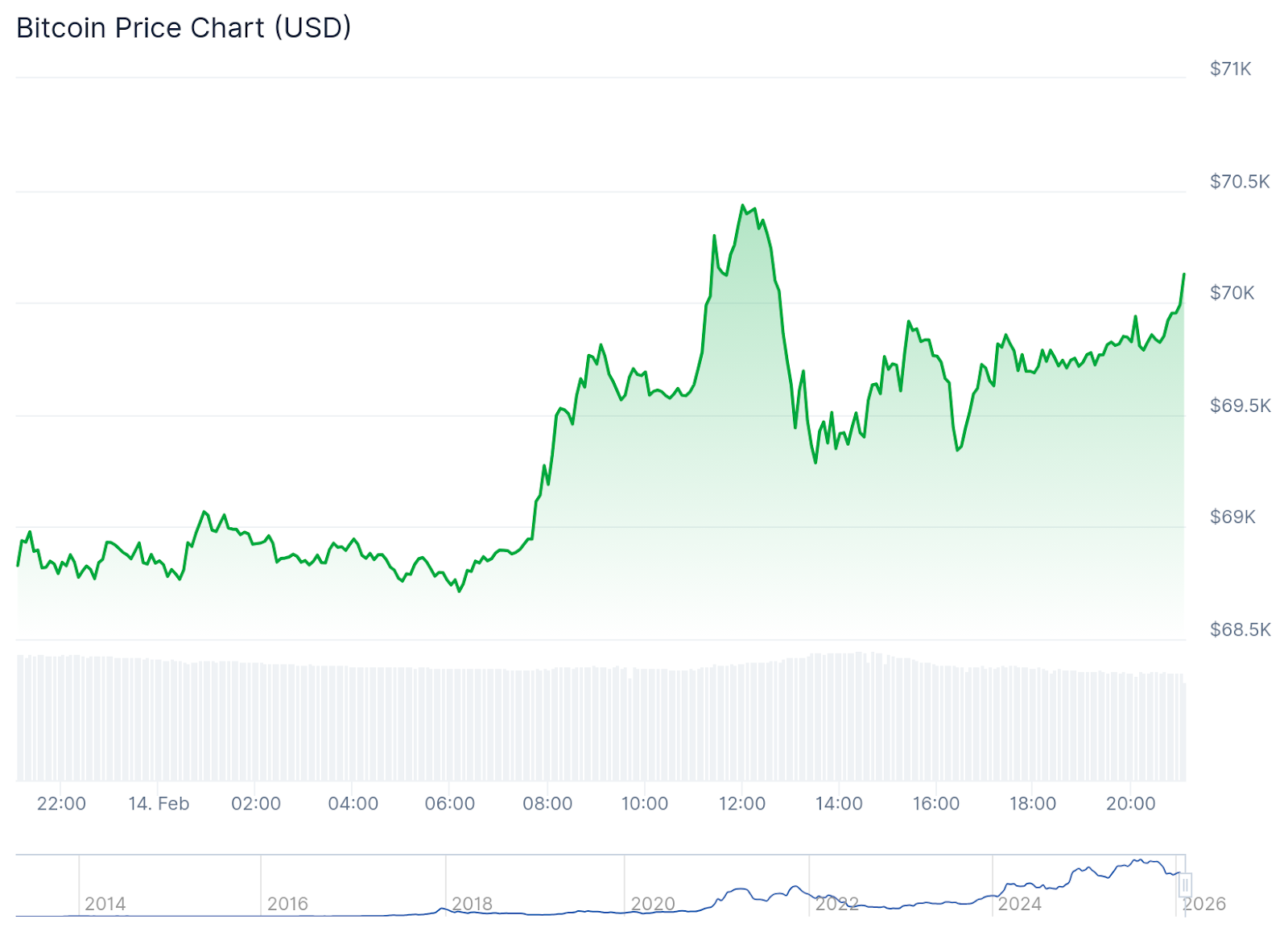
However, a big risk that comes with Bitcoin is volatility, which can cause the reserves of a state or country to fluctuate continuously. Bitcoin’s price in 2025 ranged from ~$75,000 to ~$126,000, which could undermine its reliability as a stable reserve.
Many central banks hold Bitcoin, but the majority do not actively buy it or mine it; for example, the USA, China and the United Kingdom receive their Bitcoin from seizures or forfeitures only. To date (22/01/2026), out of the 3 nations, the United States is the only one to declare a strategic reserve and has the largest reserve with approximately 325,000 - 328,000 BTC.
In 2021, El Salvador became the first country to adopt Bitcoin as a national reserve asset, purchasing approximately 7,500 BTC and launched Chivo, a state-run Bitcoin wallet to encourage adoption. However, in February 2025, El Salvador agreed to a $1.4 billion Extended Fund Facility with the IMF, which required that Bitcoin acceptance be voluntary, so businesses are no longer required to accept Bitcoin. The purchase of Bitcoin by the Salvadorian government has been halted. They required the government to phase out mandatory features of the Chivo wallet. Furthermore, USD must become the sole payment for taxes, removing Bitcoin’s ability to be used as a sovereign payment. (source)
These conditions limited the government’s ability to enforce nationwide Bitcoin adoption and reduced the chance of any long-term fiscal outcomes, such as debt management and financial stability. Which still raises the question of whether a full national adoption of Bitcoin would work successfully.
Bhutan accumulated Bitcoin using mining, powering mining rigs with hydropower. So far, they have mined approximately 6,000 BTC.
Pakistan is also attempting to implement a strategy by mining Bitcoin using surplus electricity generated from the national grid. However, the IMF, similar to El Salvador have interfered with processes, claiming Bitcoin is too volatile and risky an asset and rejected Pakistan’s bid to subsidise power for crypto mining, creating a setback for the country’s efforts to establish a strategic reserve in Pakistan.
Although only a few nations have pursued adding Bitcoin to their treasuries, the varying degrees of adoption and regulatory intervention demonstrate that a full-scale Bitcoin reserve is still experimental, and its long-term economic impacts remain unknown.
Florida’s proposal shows an attempt to diversify state reserves beyond traditional assets - in response to long-term inflationary pressure. Florida could strengthen its financial resilience, using Bitcoin as a hedge against debasement while benefiting from its scarcity and decentralised structure.
However, the benefits remain largely theoretical, as conclusive evidence of the effectiveness of a national strategic Bitcoin reserve has yet to emerge, and the volatility of Bitcoin has not consistently served as a stable store of value. Meaning that sudden price swings could make it difficult to have stable funds for pension, capital and emergency reserves.
Although the risks of volatility remain, Florida is not seeking to implement a Bitcoin-only reserve. Instead, the bill aims to integrate Bitcoin with traditional reserve assets, combining potential long-term appreciation and inflation protection with the relative stability of traditional assets like gold or government bonds.