
Want to send £10k of your own money internationally? Expect to wait 3-5 business days, answer copious amounts of questions, and pay fees before your Bank approves anything.
Want to invest in Start-ups? You must be an ‘accredited investor’ before you can even think of that.
Want to earn a yield on your savings? Prepare for near-zero interest rates while your bank lends your money out at 10-20%.
Thus, does one truly own anything? What belongs to you and what belongs to the banks?

This is where the idea of “escaping the matrix” stopped being a meme and gained credible traction. For some people, the answer wasn’t another savings account - it started with crypto in lockdown, TikTok clips from “‘self‑proclaimed scammers”‘ and the suspicion that the financial future was being built outside traditional banking rails.
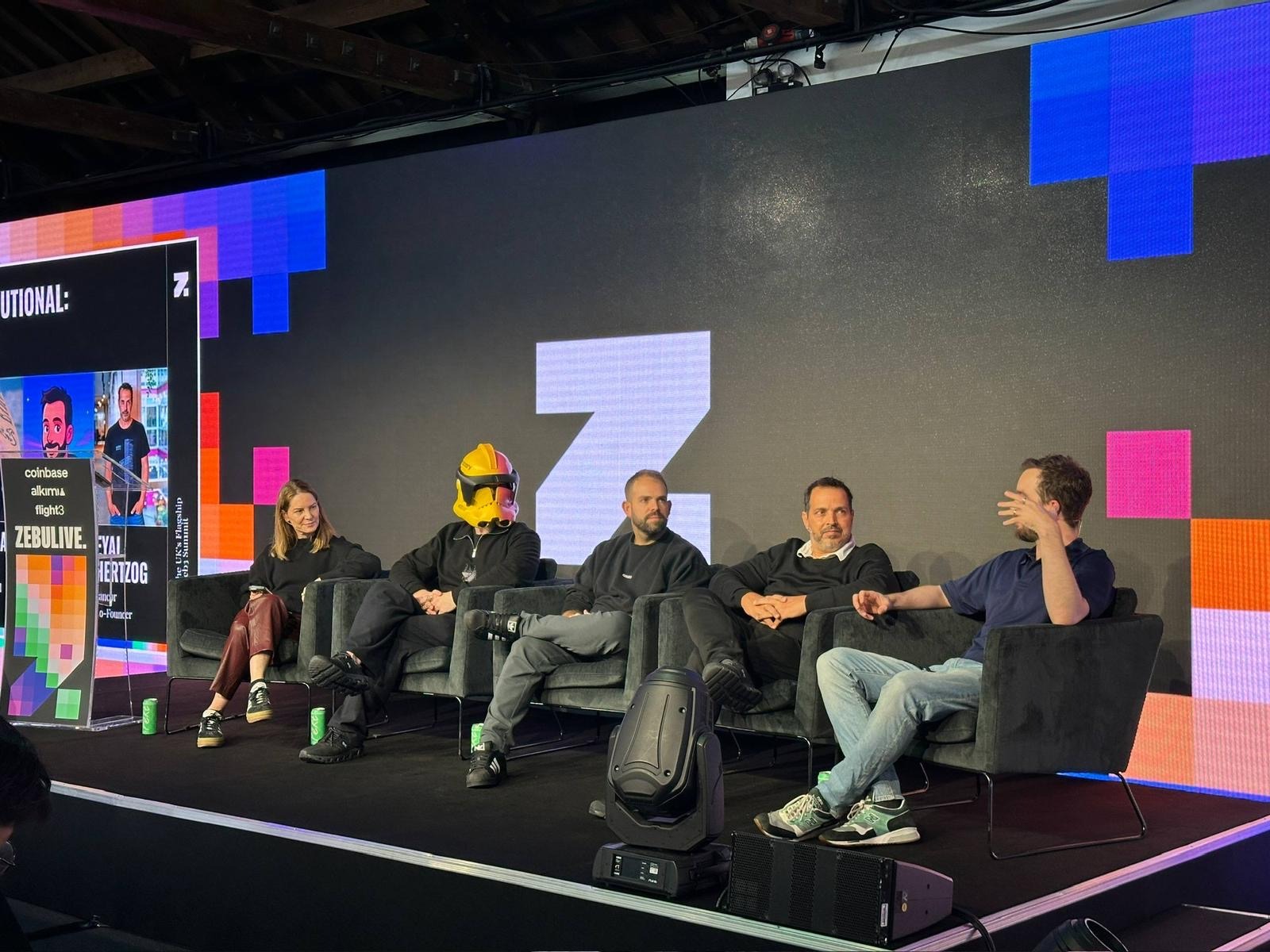
For Stanisław Koper, a bioscience researcher turned Canary “Head Degen”, that shift was drastic. Whilst completing his PhD in bioengineering, he is travelling the world to attend conferences, hosting a Web3 podcast called Weaving Web3, and working weekends from beaches or coffee shops instead of office cubicles.
Web3 didn’t just give him a new asset class; it gave him a new operating system for his life. The current education system, he argues, still trains people for an industrial world rather than a digital one; he calls the “Web2, a normal life scam.”
At Canary, Stanisław is a self-proclaimed “Head Degen”. Essentially, the one-man engine behind Canary’s workflows - building and maintaining the infrastructure that “major players” in the crypto space rely on.
His work centers around two main pillars.
Both of these pillars create the transparency and security needed for fully compliant transactions, helping to close the gap between DeFi and TradFi without stripping away the core freedoms that make people cautious of heavy-handed crypto regulation.
In practice, it keeps DeFi users just as far from the “matrix” as before, while still boosting on-chain liquidity, reliability, and overall network health.
However, Infrastructure is only half the story. Beyond the tech, he sees a human problem.
“Too many people” entering crypto are chasing narratives they don’t understand and following influencers who profit from their confusion.
This is where he claims projects like Canary become essential. Infrastructure creates the rails, but clarity creates adoption. If the average retail investor can’t understand what they’re interacting with, why should they trust it?
Without trust, all the cross-chain bridges and oracles won’t matter.
The solution is transparent systems that don’t require blind faith. More products, fewer promises. More builders, fewer influencers - purging the “yes men” and KOLs (Key Opinion Leaders - often those who can exploit their influence for monetary gain).
Yet he is not calling for order over chaos. He defends the early “Wild West” era of crypto not as a flaw, but as a necessary stage of discovery. This same ‘chaos’ was where “all the innovation happens”.
Regulation, he argues, doesn’t have to be a cage. Done right, it becomes scaffolding - a way to stabilize the structure without quenching the creativity.
The proof is in the pivot - institutions that spent years calling crypto a scam are now adopting its transparency. The ones still clinging to that narrative?
“Propaganda”, he claims.
In the end, does the future of money belong to those who embrace the volatility or those who try to tame it?