
.png)
• BoJ Delay Risks: Japan’s decision to hold rates at 0.5 percent is creating artificial stability in yen markets, driving crowded carry trades and suppressing volatility to dangerous levels.
• Potential Shock Scenarios: December’s meeting could trigger anything from mild normalisation to an aggressive surprise hike, with the latter posing serious risks to leveraged positions and yen-funded borrowers.
• Asymmetric Opportunities: Cheap options, a steepening yield curve, and early signals in basis swaps give informed traders the chance to profit from mispriced volatility ahead of an inevitable break in the current range.
Something weird happened in October 2025. Wall Street was busy celebrating record trading revenues at J.P. Morgan and patting itself on the back for another stellar quarter. Meanwhile, over in Tokyo, the Bank of Japan was doing something far more interesting. Nothing. Absolutely nothing.

According to Bloomberg, they left their benchmark interest rate sitting at 0.5 percent despite long end yields hitting levels we haven’t seen in years. Markets took one look at this and basically said, “Right, so nothing’s happening until December then.” What nobody seemed to realise is that this nothing was actually creating a slow motion car crash across global currency markets.
In this article, I’ll explain why Tokyo’s decision to sit on its hands matters way more than most central bank meetings, who’s about to get caught with their pants down, and where the actual opportunities are hiding for anyone paying attention.

Look, if you’re not familiar with carry trades, here’s the simplest version. Imagine you could borrow 100 pounds from your mate at 0 percent interest, then immediately stick it in a savings account paying 4 percent. You’d pocket the difference. That’s essentially what a carry trade is, except instead of borrowing from your mate, you’re borrowing yen from Japan where rates are basically zero and investing it in US bonds or other assets paying decent returns.
Analysis from Investing.com showed that at the start of 2024 the gap between US and Japanese interest rates was sitting near 400 basis points. That’s massive. Hedge funds looked at that gap and saw a golden goose. So did banks. So did corporate treasuries. Everyone piled in because it felt like printing money.
The problem is that this only works if Japan keeps rates near zero forever. The moment they start hiking, your free money trade becomes a losing money spectacularly trade. And everyone knows Japan can’t keep rates at zero forever. Inflation’s picking up, the yen’s getting embarrassingly weak, and wages are actually rising for once. The writing’s been on the wall for months.
So why did October matter so much? Because it was the month everyone expected the BoJ to finally pull the trigger and start normalising rates. Instead, they blinked. New Prime Minister Takaichi came in with talk of stimulus spending and dovish policies. The Nikkei rallied. JGB yields climbed. The BoJ looked at this mess and said, “Yeah, we’ll deal with this later.”
Here’s what that delay is doing to markets right now:
Creating a Fake Reality in Currency Markets: USD/JPY is stuck trading between 148 and 155. That’s not natural. According to FX Street the yen dropped over 2 percent in one week when Takaichi got the job. But now it’s ping ponging in this range because everyone knows the Ministry of Finance will step in if it goes too high, and everyone’s betting the BoJ will eventually hike if it goes too low. It’s like watching paint dry, except the paint might suddenly explode.
Making Dangerous Positions Look Safe: Remember those carry trades I mentioned? They’re not getting smaller. They’re getting bigger. J.P. Morgan Private Bank Bank pointed out that these positions hit historic levels before they blew up in July 2024. They’re building back up again because nothing’s broken yet. That’s how market crashes happen. Everything’s fine until it suddenly isn’t.
Spreading to Other Currency Pairs: It’s not just USD/JPY. EUR/JPY, GBP/JPY, every currency pair with yen in it is showing the same calm behaviour. Traders call it artificial stability. It’s a pressure cooker with the safety valve welded shut.
Smart Money Quietly Repositioning: There’s this obscure thing called cross currency basis swaps that shows how much it costs to swap dollar funding into yen funding. Those costs have been moving strangely. Not dramatically, but enough that you can tell the big institutional players are hedging. They’re not panicking. They’re quietly moving to the exits while everyone else is still dancing.
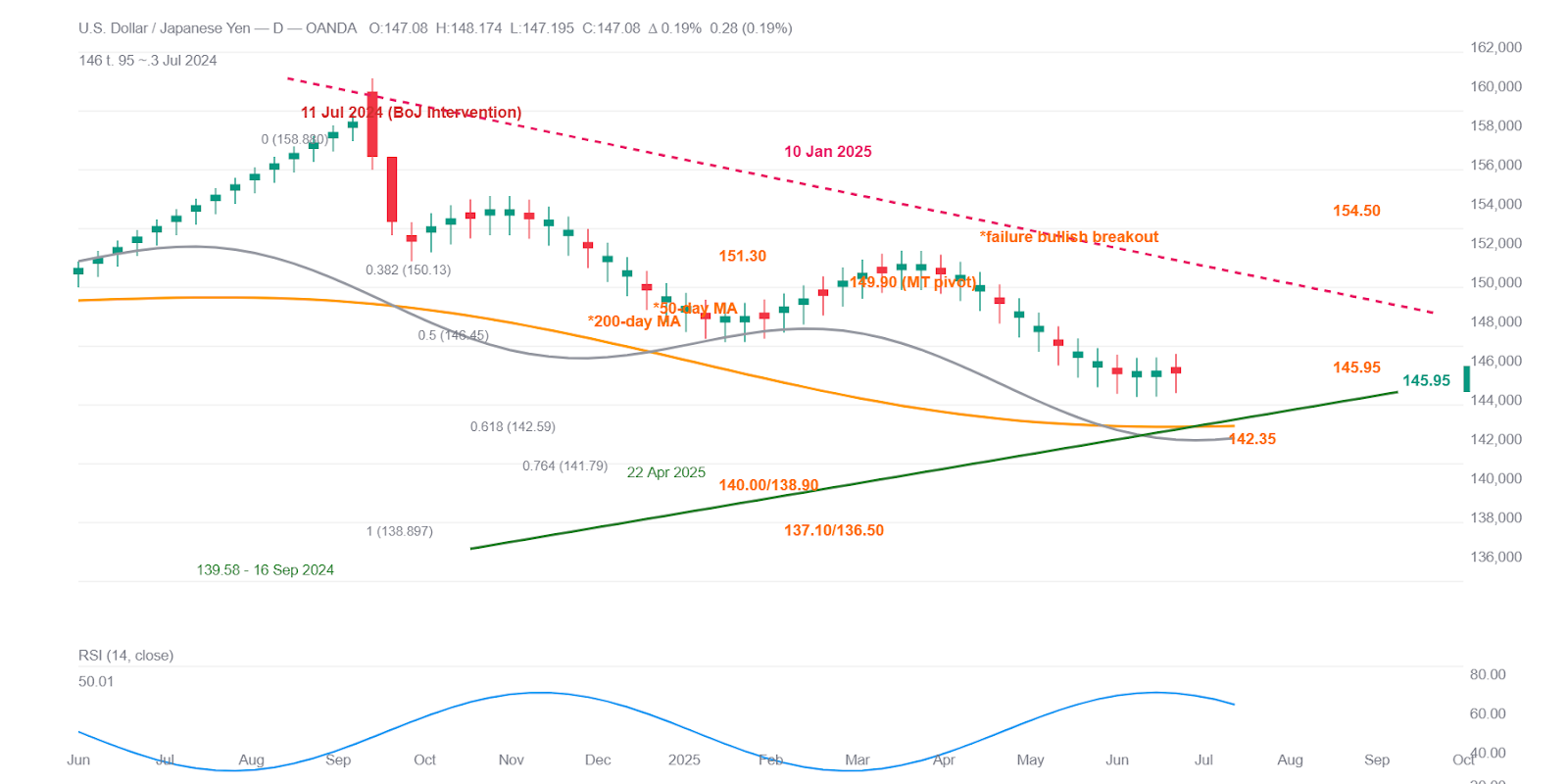
So everyone’s looking at December now. According to FocusEconomics most analysts reckon the BoJ will hike by 25 basis points at their meeting on the 18th to 19th of December. Sounds reasonable, right? Except two board members already voted to hike in October and got outvoted. That tells you there’s serious disagreement inside the BoJ about what to do.
Let me walk through the three scenarios that could actually play out:
Scenario One: Everyone’s Right
They hike 15 to 25 basis points in December, write a nice statement about gradual normalisation, and markets collectively shrug. USD/JPY drifts down to 148, volatility ticks up a bit, and carry trades get reduced in orderly fashion. This is what everyone’s positioned for, which ironically makes me suspicious it won’t happen.
Scenario Two: They Chicken Out Again
Some weak economic data drops or Takaichi creates political drama, and the BoJ punts the decision into 2026. Western Asset reckons further delays just make the problem worse because it lets inflation expectations drift higher while carry trades keep piling up. It’s the classic central bank mistake of being too cautious for too long.
Scenario Three: They Shock Everyone
Inflation data comes in hotter than expected, the yen hits politically embarrassing levels, and the BoJ decides enough is enough. They hike 50 basis points or signal aggressive tightening ahead. Carry trades get liquidated immediately. USD/JPY crashes through 145. Options traders who bet on volatility make a fortune while everyone else scrambles for the exits. This is the scenario nobody’s pricing properly, which is exactly why it’s interesting.

Right, let's talk about who's on the right and wrong side of this trade.
The Winners:
Anyone who’s been buying out of the money options on yen pairs is sitting pretty. Current volatility pricing is extremely low given how uncertain everything actually is. You can buy protection for peanuts that could pay out ten or twenty times if the BoJ surprises. It’s the kind of asymmetric bet that makes careers.
Rates traders positioned for the Japanese yield curve to steepen are also in good shape. When the BoJ hikes short term rates the long end won’t move as much because it’s already priced in some normalisation. That spread widens, and if you’re positioned right, you print money.
The Losers:
Anyone still holding massive carry trade positions is playing with fire. Research from AMRO looked at what happened in July 2024 when these trades last unwound. It wasn’t pretty. Positions that looked safe on Monday were down 20 percent by Friday. The longer you hold onto these now, the worse the eventual pain gets.
Banks that sold structured products with embedded yen exposure are also sweating. They’ve been collecting premiums for months assuming the BoJ would stay dovish. If Tokyo surprises with aggressive hikes, those hedging costs go through the roof and can wipe out years of profits.
Companies that borrowed in yen thinking rates would stay at zero forever are about to learn an expensive lesson about refinancing risk. Japanese corporations obviously, but also plenty of multinationals that saw cheap yen funding and couldn’t resist.

📅 18 to 19 December 2025: Obviously. But don’t just watch whether they hike. Watch the language around future moves and how many board members dissent. That tells you how divided they are internally.
💹 USD/JPY Breaking 148 or 155: These are the walls of the prison. If price breaks cleanly through either level the artificial range is done and volatility will spike immediately. That’s your signal that something’s changing.
📊 Cross currency basis swaps widening: If these suddenly spike it means the smart money is repositioning aggressively. They’re the canary in the coal mine.
⚠️ JGB 2-Year vs 10-Year Spread: Watch this steepen. It means markets expect aggressive near term hikes but still think the BoJ will be dovish longer term. That’s exploitable.
🔔 Options Implied Vol Spiking: If implied volatility for USD/JPY suddenly jumps ahead of December traders are finally waking up to tail risks. Get positioned before everyone else figures it out.

Look, October 2025 won’t make the history books for dramatic action. It’ll be remembered for what didn’t happen. The Bank of Japan had a chance to start normalising policy in orderly fashion and chose to wait instead. That decision is creating distortions across global markets that keep getting bigger every day.
For most people this looks like boring stability. Currency pairs trading in predictable ranges. Volatility staying low. Nothing to see here. But that’s exactly what makes it dangerous. The longer this artificial calm persists, the more violent the eventual move becomes.
The opportunity here is for anyone willing to bet against the consensus. Markets are priced for gradual, predictable normalisation. Options are cheap. Volatility is compressed. Carry trades are crowded. That’s the setup for serious money to be made if you’re positioned right and patient enough to wait.
December’s probably when things get interesting. Could be January. Could be tomorrow if something unexpected happens. The exact timing doesn’t matter as much as understanding that this can’t last. Physics applies to financial markets too. Pressure builds until something gives.
The traders making real money in 2026 won’t be the ones following consensus. They’ll be the ones who recognised back in October that stability was just another word for mispriced risk. And in FICC markets, mispriced risk is another word for opportunity.