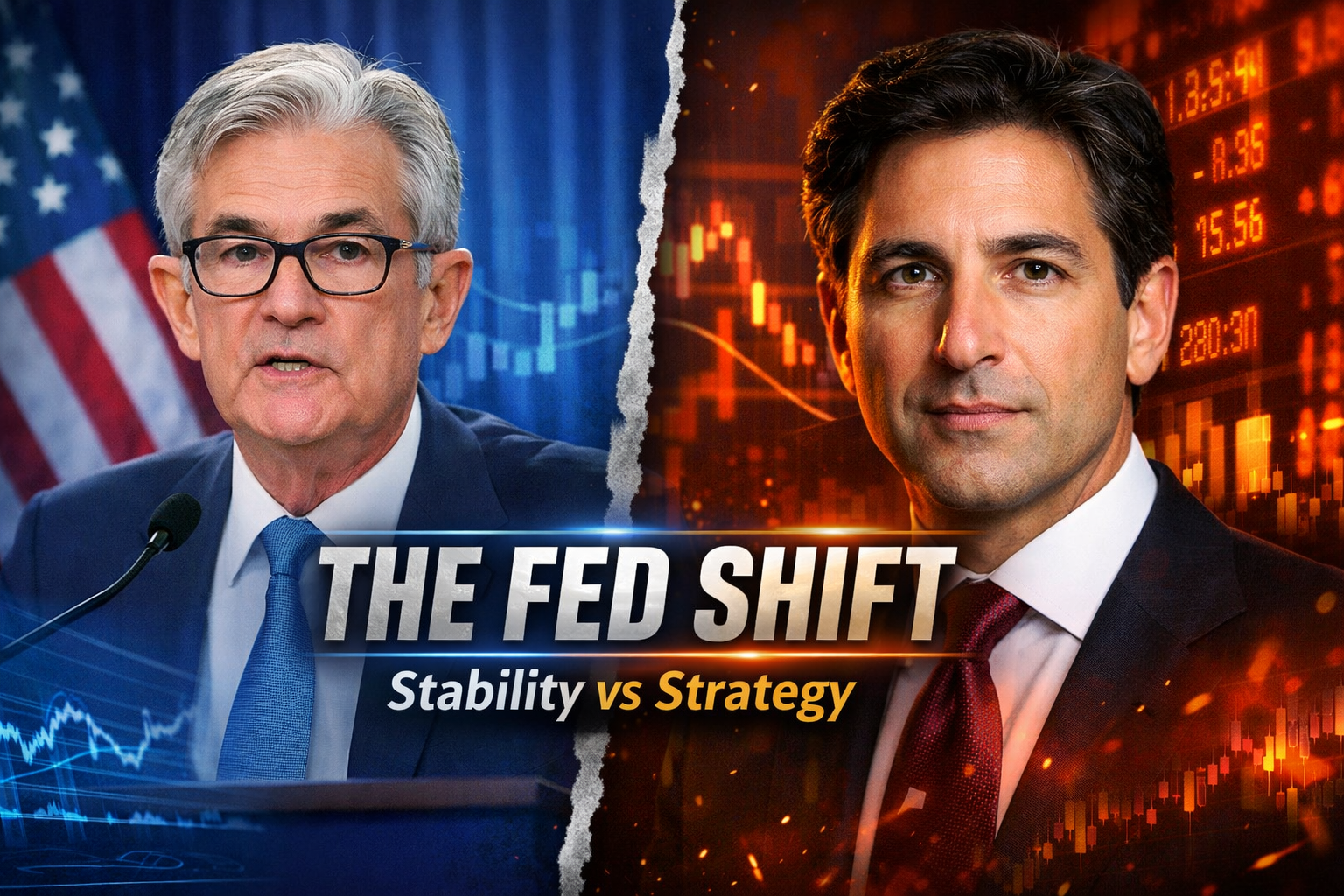
Donald Trump has nominated Kevin Warsh to replace Jerome Powell as Federal Reserve Chair, a shift that could fundamentally change how America's central bank operates. Powell's decade-long tenure was defined by predictability: calm markets, system stability, and no unnecessary shocks. It earned respect, but also criticism - many felt the Fed moved too slowly, waiting for official data to confirm problems markets had already spotted. Warsh's nomination signals a sharp departure from that era.
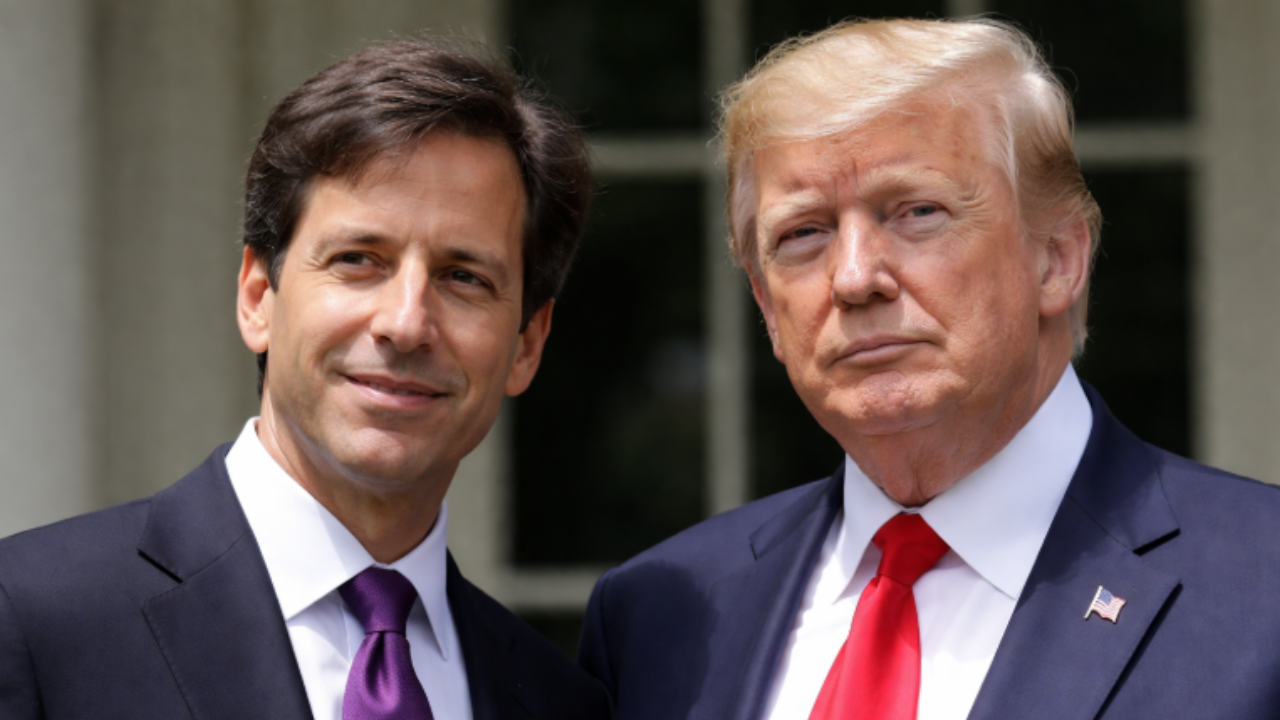
Now, attention is shifting towards a very different figure. President Donald Trump has nominated former Fed governor Kevin Warsh to take over when Powell’s term as chair ends in May 2026, Although the appointment still needs Senate approval and is already politically contentious. Warsh is not being pitched as a louder or more political Fed chair, but as one with a fundamentally different way of thinking. Powell aimed to keep conditions steady, whereas Warsh appears comfortable pursuing theory-led policy even at the cost of market volatility.
The result is a clear contrast. This is not about personalities, but about two different ideas of what the Federal Reserve should be doing in a world where inflation still lingers, growth remains resilient, and political pressures are intensifying.

Supporters of Jerome Powell argue that he did exactly what the moment required. He led the Fed through the chaos of the pandemic and then through the subsequent surge in inflation, without triggering a deep recession or mass unemployment.
Today, the economy is still expanding, unemployment remains relatively low, and inflation, while not fully back to target, has cooled significantly. That combination alone puts Powell ahead of many historical comparisons.
The way he achieved that outcome matters. Powell’s Fed became known for being cautious and methodical. Decisions were based on incoming data, debated at length, and only taken when the committee felt confident moving together. Communication was deliberately dull as Powell believed that boring central banks are safer central banks. He avoided bold promises and repeatedly reminded markets that policy would depend on how the economy actually evolved, not on forecasts.
That approach helped avoid panic, but it also created frustration. By waiting for confirmation, the Fed often appeared late. Inflation rose quickly in the early part of the decade, and critics argue the Fed should have tightened policy sooner. Later, as inflation cooled, some felt Powell waited too long to ease. Even now, inflation remains above the Fed’s two percent goal, which complicates the story of a perfectly executed soft landing. Powell’s record will likely be remembered as competent and steady, but also cautious to a fault.
Kevin Warsh does not fit neatly into the usual labels of "hawk" or "dove," which is why investors struggle to place him. At times, he sounds tough on inflation; at other moments, he argues that interest rates could come down even before inflation fully returns to target. The difference lies in how he thinks the economy actually works.
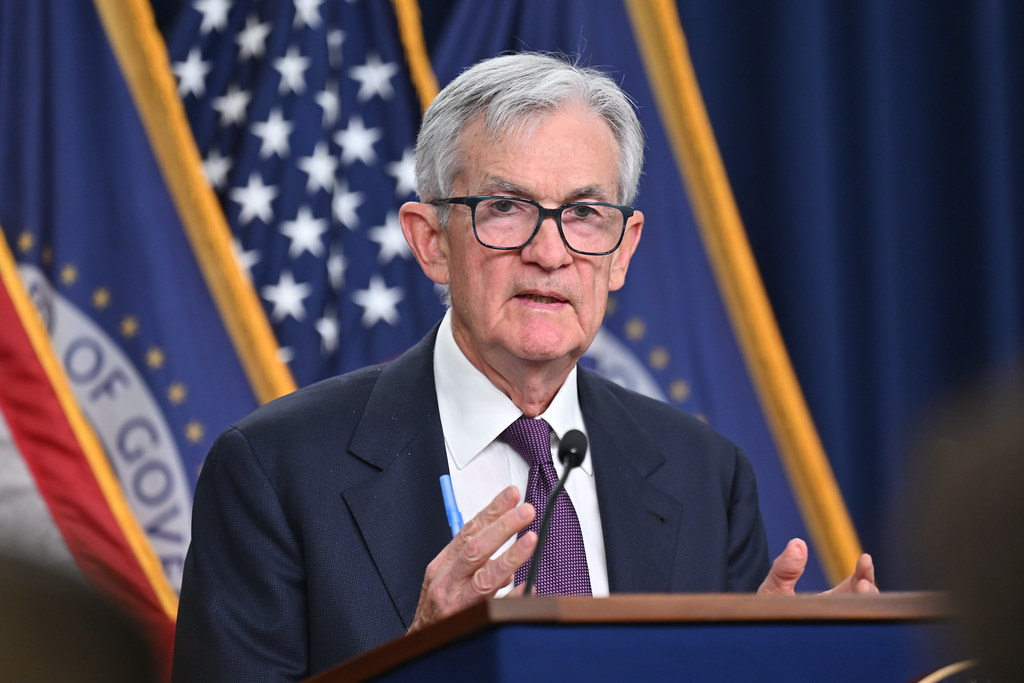
Powell's framework is largely about managing demand. When spending runs too hot, rates go up; growth weakens, rates come down. Warsh, by contrast, focuses more on the supply side of the economy. He believes investment, productivity, and business expansion deserve more attention, especially at a time when artificial intelligence is driving a major wave of capital spending. In his own words, writing in the Wall Street Journal, Warsh argued that the Fed "should abandon the dogma that inflation is caused when the economy grows too much and workers get paid too much," insisting instead that excessive government spending and money printing are the real culprits as seen here.
In Warsh's view, if companies are investing heavily in new technology and productive capacity, the Fed should be careful not to stand in the way. Lower rates, under this framework, are not about encouraging consumers to spend more. They are about making it easier for businesses to invest, grow, and increase the economy's long-term potential. He has called on the Fed to shrink its balance sheet and redirect that capital toward Main Street, arguing that current policy benefits Wall Street far more than ordinary households and businesses. That marks a shift away from demand management and toward supporting supply growth, and it would represent a meaningful change in how monetary policy is justified.
One of Powell’s defining traits was how carefully he communicated. Markets learned to parse every sentence of his press conferences because he worked hard to explain what the Fed was thinking and where it might be heading. This practice, known as forward guidance, was designed to reduce uncertainty and prevent sudden market swings.
Warsh has been openly critical of this approach. He has argued that forward guidance made sense during crises but has lingered far too long. His concern is that by constantly telling markets what to expect, the Fed traps itself and limits its own flexibility. Under Warsh, the Fed would likely say less, commit less, and allow markets to adjust without constant reassurance.
This does not mean chaos, but it does mean change. A Fed that offers fewer clues is likely to create more short-term volatility. Investors would have to accept uncertainty rather than being guided step by step. Over time, Warsh appears to believe this would strengthen the Fed’s independence and credibility, even if it feels uncomfortable at first.
Another major difference lies in how the balance sheet is treated. Under Powell, asset purchases and bond holdings were important but secondary to interest rate policy. Quantitative tightening happened quietly in the background.
Warsh views the balance sheet very differently. He has described it as distorting markets, inflating asset prices, and blurring the line between monetary policy and government spending. From his perspective, shrinking the balance sheet is not a technical detail but a central policy choice.
This creates an immediate tension. The White House wants lower interest rates to support growth and reduce borrowing costs. Warsh may be willing to accommodate that, especially if he believes productivity gains justify it, but pushing harder to reduce the Fed’s bond holdings could push long-term interest rates higher, offsetting some of the benefit. In other words, rate cuts and balance sheet tightening could pull in opposite directions.
The likely outcome is a trade-off rather than a clean shift. Warsh may allow more flexibility on rates while insisting on discipline through the balance sheet. That combination would look very different from Powell’s approach, even if headline rates end up in similar places.
Much of the public debate around the Fed is emotional and political, but the real change would be structural. The Fed does not need to change its inflation target or its mandate to behave very differently. It only needs to change how it thinks and how it communicates.
Powell’s era was defined by predictability. Markets learned the rules and trusted the process. Warsh represents something else. A Fed that relies more on theory, communicates less, and is willing to surprise markets in order to maintain independence. That does not mean worse outcomes, but it does mean a different experience for investors.
The simplest takeaway is that the era of “autopilot” monetary policy is ending. Whether or not Warsh ultimately becomes chair, the direction of travel is clear. Investors should prepare for a Federal Reserve that is more rigid in its thinking, less focused on consensus, and more willing to let markets react without reassurance. Powell worked to remove drama from central banking. Investors must now prepare for a Warsh-led Fed that is not only willing to accept market drama but use it as a tool."