
.webp)
Strategy's stock has plunged around 36% since its November highs, with Bitcoin having shed an estimated 27% from its peaks, and whispers of a catastrophic short squeeze are exploding across Wall Street. At the center: JPMorgan, accused of holding a massive short position that could result in billions in losses if the largest corporate Bitcoin holder's stock rallies just 40-50%.
Strategy, formerly known as MicroStrategy, is a Bitcoin treasury company. Simply put, they buy and hold massive amounts of Bitcoin using money raised from investors and debt. Under executive chairman Michael Saylor, the company has transformed itself from software analytics into a "Bitcoin machine", with it now being the world's largest, and most aggressive corporate Bitcoin holder.
A short position means JPMorgan is betting MSTR's stock price will fall, the bank is borrowing shares and planning to buy them back cheaper at a later date, and pocket the difference. If the stock rises instead of falls, JPMorgan faces mounting losses as it's forced to buy shares at higher and higher prices to cover its borrowed position.
With potentially billions of dollars in losses if MSTR rallies 40-50%. With 27.49 million shares shorted and allegations of market manipulation swirling, the crypto community is mobilizing for what some are calling "the next GameStop," but this time, the stakes are measured in tens of billions, while fixating on whether or not Bitcoin can have a short-term recovery.
The accusations are damning: JPMorgan allegedly recycled a 42-day-old document to trigger panic selling, quietly raised margin requirements to force liquidations, and dumped a quarter of its holdings before issuing bearish warnings. Now, as Bitcoin hovers around $89,000 as of December 6th, and Strategy holds 649,870 BTC worth around $59 billion, analysts warn that even a modest cryptocurrency rally could trigger a short squeeze of historic proportions.

The chronology of events tells a story that many in the crypto community believe demonstrates deliberate coordination. On October 10th, MSCI made a statement about how it would consider excluding indexes of companies that held more than 50% of their net assets in digital assets. Such a move may necessitate billions of dollars in selling for Strategy.
The news was taken in stride. However, to give the crypto community a further scare, six weeks later, on November 20th, JPMorgan published a research note about the possible exclusion of Strategy, estimating $2.8 billion in outflows from MSCI indices alone, potentially reaching $8.8 billion if other index providers followed suit.
An analyst at Bitcoin For Corporations called it a manufactured panic, noting that the document "has been public for 42 days" while "the market ignored it for 6 weeks." It seems that JPMorgan was attempting to maximize damage, with the note dropping when Bitcoin was already weak and liquidity thin. However, the alleged coordination goes deeper. On July 7, JPMorgan raised MSTR margin requirements from 50% to 95% (meaning investors who borrowed money to buy MSTR stock suddenly needed to put up nearly twice as much of their own cash as collateral, forcing many to sell their shares if they couldn't meet the new requirements), allegedly forcing liquidations months before the controversy erupted. Then the bank dumped 25% of its holdings in Q3 before issuing public warnings. Investment banker Simon Dixon then accused JPMorgan of "vassalization tactics” to control Strategy while seemingly profiting from its decline.
With 27.49 million shares shorted at 9.74% of the stock's float, MSTR's setup doesn't quite match GameStop's 140% short-sold peak. However, the dollar exposure is real, with the short position representing approximately $4.7 billion in borrowed shares, which is roughly 64% of Strategy's $7.4 billion market capitalization, meaning a significant portion of the company's total value is being bet against.
Analysts identify 40-50% as the trigger point, pushing MSTR from $170 to $238-$255. At those levels, shorts face forced covering, creating the squeeze spiral. Max Keiser's viral tweet claimed JPMorgan holds an "existentially threatening" position that "can potentially bankrupt $JPM if $MSTR trades 50% higher." Whether or not this short position is of this size is to be determined, but given the amount of effort that’s being put into it to seemingly manipulate MSTR’s price, they very well could have a “existentially threatening” position.
The catalyst for all of this is Bitcoin. Strategy's 641,000 BTC means the stock has unprecedented levels of exposure to Bitcoin and its fluctuations. If Bitcoin were to rally toward $100,000 or more, this would be amplified through MSTR's leverage, potentially triggering the exact chaos analysts warn about.
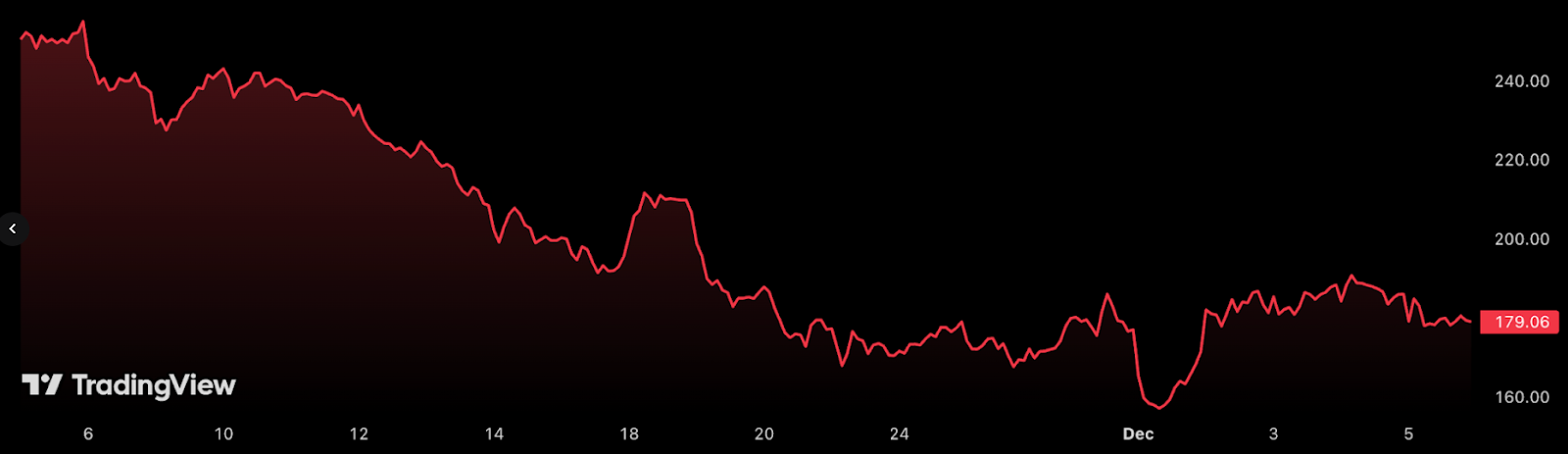
I feel as if MSTR has a chance, albeit small, to perform an unprecedented short squeeze, with strong positive price action from Bitcoin. While there is not as much short interest compared to a monumental short like GameStop, a sharp increase in Bitcoin’s price close to all-time highs could, with the help of shorts being forced to buy back their shares, cause a rally sure to cause havoc in the financial world.
Whether this materializes depends on Bitcoin's next move and whether retail coordination can match the same sentiment of GameStop, but the ingredients are there, the timeline is compressed, and the potential losses for Wall Street are very real.