
.png)
• Price Impact: Bitcoin has risen from 64,000 dollars to 120,000 since the April 2024 halving.
• Institutional Access: The launch of ETFs has accelerated Bitcoin’s move into the mainstream.
• Regulatory Effect: Early regulation has added legitimacy and stability at a time when global interest rates remain extremely high.
Historically, each halving event has coincided with a surge in price. The reduction of new supply creates scarcity, leading to increased demand and fuelling anticipation, contributing to historic bull runs: from 12 dollars to 1,000 after the 2012 halving, and from 10,000 to over 60,000 following the 2020 event.
The 2024 halving has landed in a very different landscape. Institutional money is entering through ETFs, regulators are circling, and global interest rates remain high. This piece will explore how halving works, why scarcity has been so powerful in Bitcoin’s past rallies, and whether the latest cycle in 2028 could break tradition or set the stage for another historic run.
Will history repeat itself?
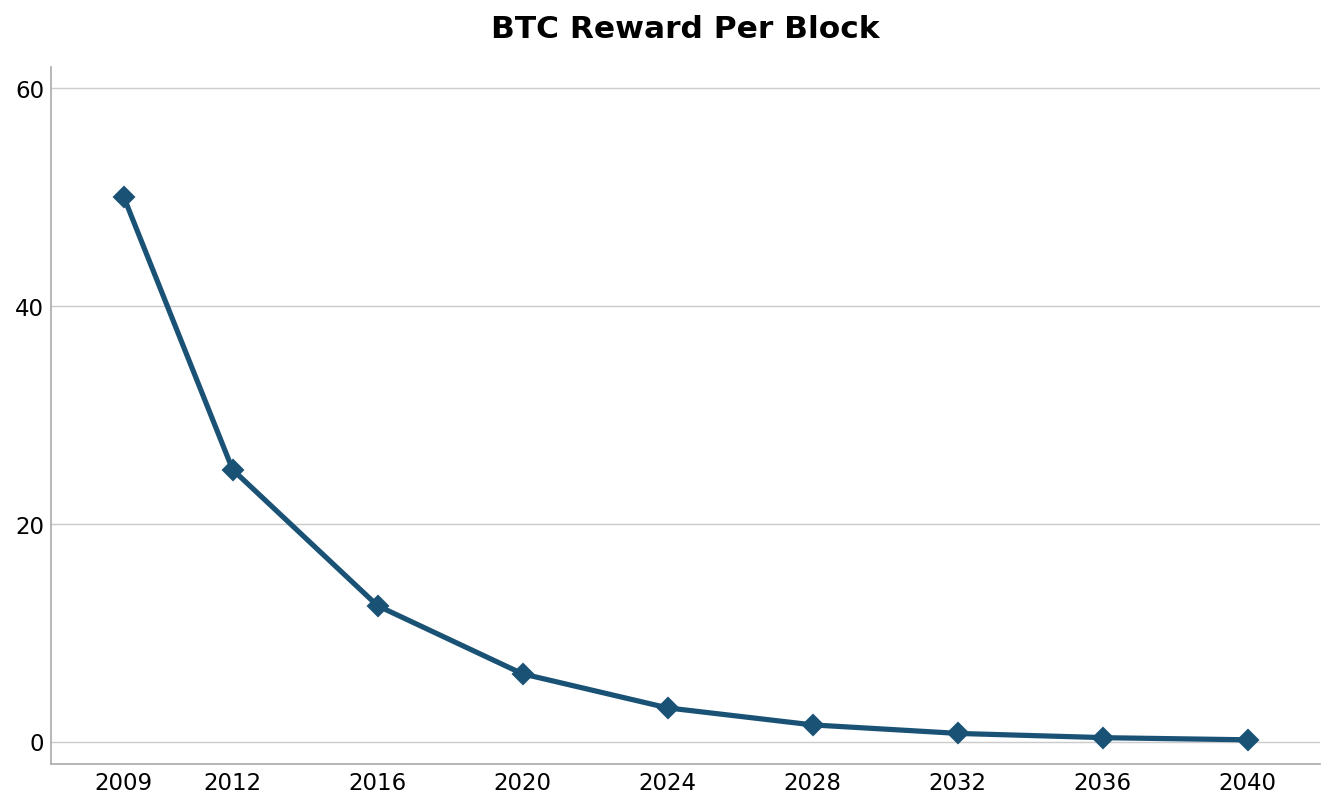
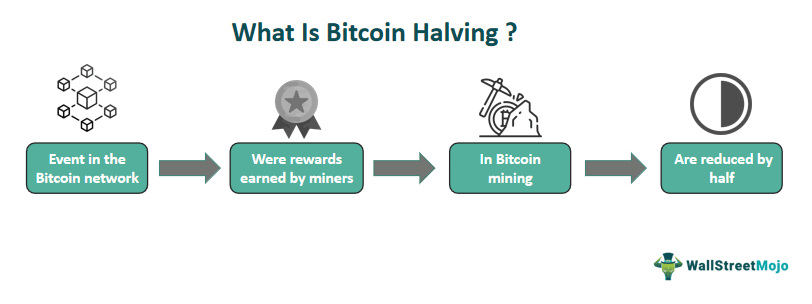
Roughly every four years, or every 210,000 blocks, the reward miners receive for validating transactions is cut in half. Bitcoin halving is at the heart of how Bitcoin has been able to enforce its unique scarcity and fixed supply of 21 million coins. The reduction in new coin supply, coupled with steady or growing demand, has been a catalyst for historic bull runs in the past.
When Bitcoin was launched in 2009 by Satoshi Nakamoto, miner block rewards were 50 BTC per block and currently sit at 3.125 BTC. It’s an economic design that transforms digital code into a deflationary asset, where predictable scarcity drives long term value.

2012 was the first real test of the Bitcoin scarcity model and confirmed that halving has a visible impact on market cycles. In 2012 the value of Bitcoin rose from 12 dollars to 1,000, driven by a reduction in the supply of new coins coupled with low global interest rates, as many were still impacted by the aftermath of the global financial crisis and central banks kept interest rates low to stimulate the economy.
In 2016 there was a rise in the growth of exchanges such as Coinbase, which made access to Bitcoin much simpler, pushing it into the mainstream media. The growing network effect, described by Metcalfe’s law, where value rises as the number of users increases, combined with investor FOMO due to anticipated higher prices and low interest rates, has defined every bull run to date.
The 2020 halving occurred in unique circumstances due to the global pandemic, which meant global interest rates were extremely low and close to zero in the UK and the US. Low costs of borrowing meant a massive increase in liquidity, encouraging investors to take a more risky approach with assets. Bitcoin’s scarcity, growing demand, and record low interest rates were always going to lead to a massive rally, increasing the price from 10,000 dollars to 60,000.
The 2024 halving stands apart from previous halving cycles in several key ways. In recent years we have seen a rise in the number of major institutions due to the introduction of ETFs. Before ETFs, the only way to buy Bitcoin was through exchanges such as Coinbase or Binance. This was a huge barrier for large institutions due to managing wallets and private keys.
The launch of ETFs has allowed institutions to buy Bitcoin in the same way they buy and hold regular stocks, which has unlocked huge inflows of capital.
Regulation will also play a decisive role in shaping the impact halving has on market cycles. The government is seeking to introduce anti-money laundering schemes and tax reporting.
The introduction of AML could encourage more large institutions to buy Bitcoin due to increased legitimacy and stability, which would lead to even more inflows of capital. However, tax reporting may restrict regular investors who view Bitcoin as a low barrier, decentralised investment due to stricter rules. Interest rates in the US currently sit at 4.00 percent, much higher than in 2020 when rates were close to zero.
Higher borrowing costs typically reduce liquidity and risk appetite; however, the introduction of ETFs may offset this. When institutions invest in Bitcoin the purpose is strategic, steady, long term capital rather than speculative. This is evident in their consistent inflows into Bitcoin ETFs, with firms such as Blackrock investing over 135 million dollars. Several investment management companies, such as ARK Invest, have positioned Bitcoin within long term portfolios rather than as a short term trading instrument, emphasising growing confidence in its long term store of value.
Since 19 April 2024, when the 2024 halving occurred, the price of Bitcoin has climbed from roughly 64,000 dollars to 120,000. The launch of ETFs has opened the floodgates for huge inflows of capital, and early regulatory frameworks are beginning to have a positive impact on the industry. This combination of legitimacy, accessibility, and predictable scarcity is driving Bitcoin further into the mainstream.
In an economy still defined by inflation and high interest rates, halving remains a key driving force, a reminder that Bitcoin’s value is not influenced by policy but sustained by code.